UMS Communication Students Launch Brainrot Awareness Campaign at SDII Al-Abiddin Surakarta

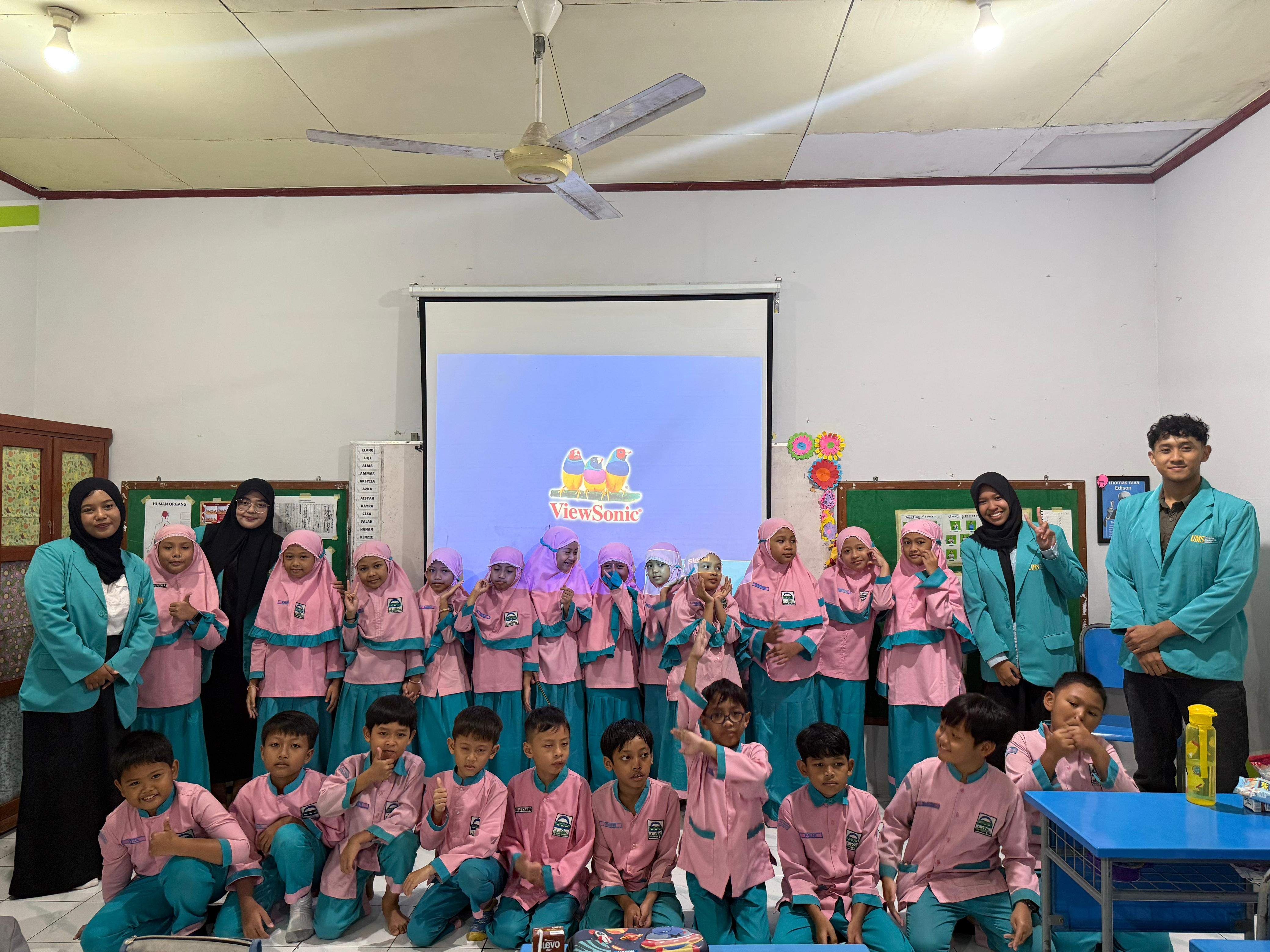
RAJAMEDIA.CO - Surakarta - The phenomenon of the so-called “Italian Brainrot Anomaly”—featuring bizarre TikTok visuals such as wooden-club-shaped humans (Tung Tung Sahoor), cappuccinos topped with ballerina heads, or sharks wearing shoes—has exploded across social media.
Behind the humor and absurdity, however, lies a worrying impact on children and adolescents whose brains are still developing.
UMS Students Bring Awareness to the Classroom
As part of the Project Brainrot Awareness Campaign, Universitas Muhammadiyah Surakarta (UMS) Communication students—Magenta, Davina, and Ghina—led by Raihan, visited SDII Al-Abiddin Surakarta to educate 3rd-grade students about the risks of excessive exposure to such hyper-stimulating content.
They emphasized that fictional characters like the “Italian Brainrot Anomaly” may seem entertaining but can disrupt children’s cognitive processes. Research shows that constant short-form video consumption can trigger cognitive overload, mental fatigue, reduced attention span, and dependency on rapid visual stimulation.
Teachers Appreciate the Initiative
Al-Abiddin teacher Miss Intan expressed her gratitude for the campaign, underscoring the urgency of early digital-media awareness.
"Children are unable to distinguish between fantasy and reality. Hyper-absurd visuals can trigger excessive dopamine release, affecting focus and emotions in their daily life,” she said.
She further explained that children in the pre-operational stage, according to Piaget’s developmental theory, are particularly vulnerable. Exposure to highly absurd content risks distorting their understanding of the real world.
Expert Insight on Digital-Era Risks
Dr. Andika Sanjaya, S.I.Kom., M.Si., the UMS lecturer overseeing the program and teaching courses on communication technology and New Media, highlighted the importance of building responsible digital habits.
He emphasized that in an era defined by endless scrolling, binge-watching, and multitasking, “brain rot” is more than slang—it reflects a real psychological strain driven by overstimulation and constant media consumption.
Parents Must Recognize the Warning Signs
Raihan, the team leader, added that parents must be aware of early indicators of brain rot in children. These can appear through cognitive challenges, delayed language development, emotional instability, or difficulties in social interaction.
He stressed that awareness, supervision, and balanced digital habits are essential to safeguard children’s mental and cognitive well-being.
Laporan: Magenta














Parlemen 3 hari yang lalu

Olahraga | 2 hari yang lalu
Parlemen | 4 hari yang lalu
Opini | 5 hari yang lalu
Parlemen | 4 hari yang lalu
Parlemen | 6 hari yang lalu
Parlemen | 5 hari yang lalu
Olahraga | 4 hari yang lalu
Keamanan | 5 hari yang lalu
Info Haji | 3 hari yang lalu